
Organized Capacity for Expanding Electrical Needs
Subpanel Installation in Greeley for garages, workshops, home additions, and growing power demands
When your main panel has no available circuit slots, when you're adding a detached garage or workshop, or when a home addition requires dedicated electrical service, a subpanel distributes power efficiently without overloading the main equipment. Subpanels improve load organization by creating separate circuit groups for specific areas, making it easier to manage power distribution and future upgrades. The Spicy Sparky Electrical Services evaluates your property's electrical demand before recommending panel configurations that support long-term use, ensuring that installations in Greeley homes provide practical solutions for equipment that requires substantial or specialized power.
The installation involves running a feeder cable from the main panel to the subpanel location, mounting the new panel securely, and connecting branch circuits that serve the designated area. Each subpanel is sized according to the anticipated load, with appropriate breaker capacity and circuit slots for current and future needs. The work includes proper grounding, labeling, and code-compliant installation methods that ensure safe operation.
Schedule a site evaluation to determine subpanel sizing and placement based on your planned electrical additions or workspace requirements.
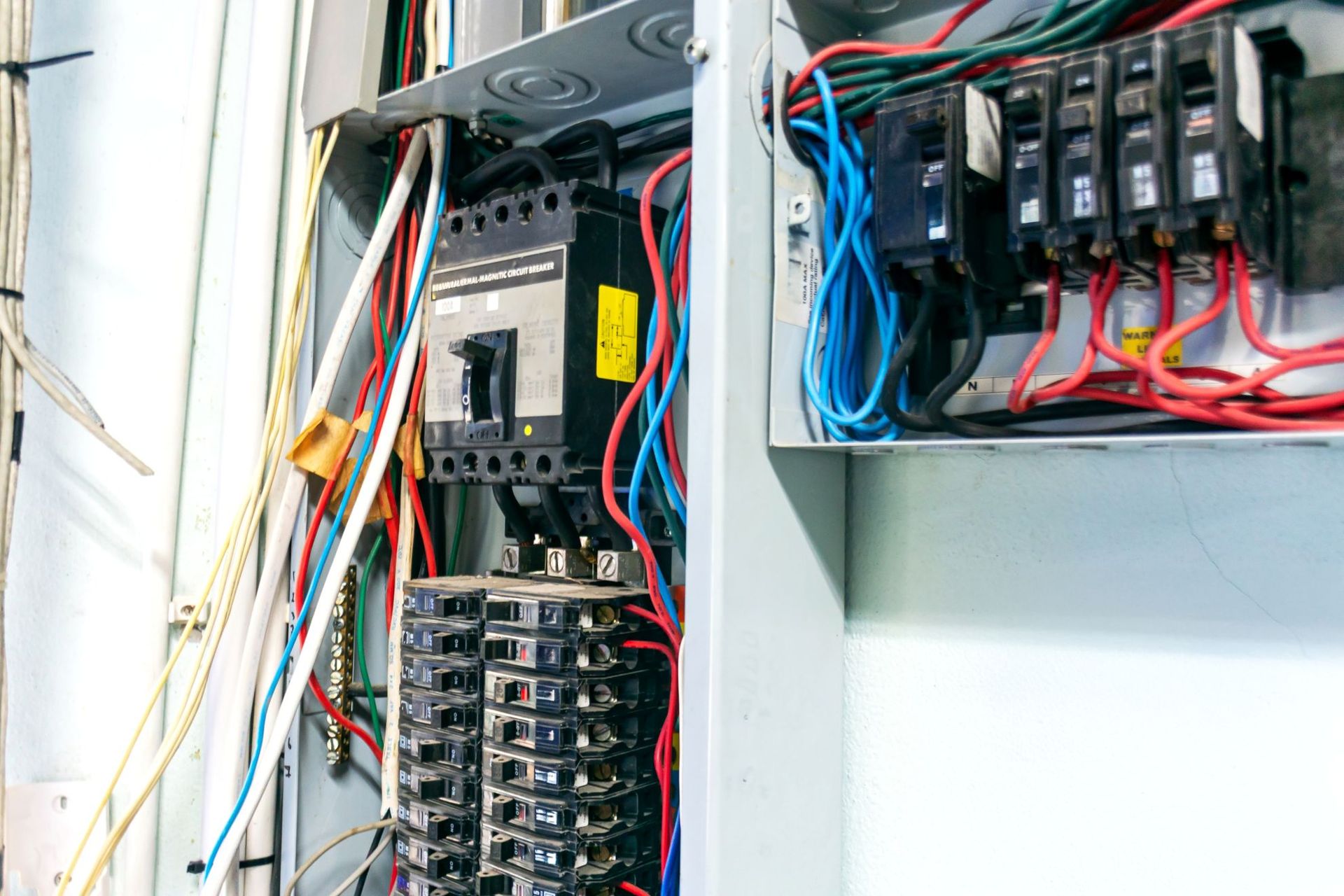
What Proper Subpanel Installation Requires
Installing a subpanel starts with calculating the electrical load the new panel will serve, selecting appropriately sized conductors for the feeder run, and verifying that the main panel has adequate capacity to supply the subpanel. The feeder cable is routed through conduit or installed with proper protection according to code, and all connections are torqued to manufacturer specifications to prevent loose terminations that cause heat buildup.
Once the subpanel is operational, circuits serving the garage, addition, or workshop no longer compete for space in the main panel, and you gain clearly organized breaker groups dedicated to specific areas. The setup simplifies troubleshooting because issues in the subpanel-fed area can be isolated without affecting the rest of the home, and adding new circuits becomes straightforward when available slots remain in the subpanel.
Subpanels also support high-demand equipment such as air compressors, welders, EV chargers, or multiple power tools operating simultaneously. By distributing loads across separate panels, the system avoids voltage sags and breaker trips that occur when too much demand concentrates in one location.
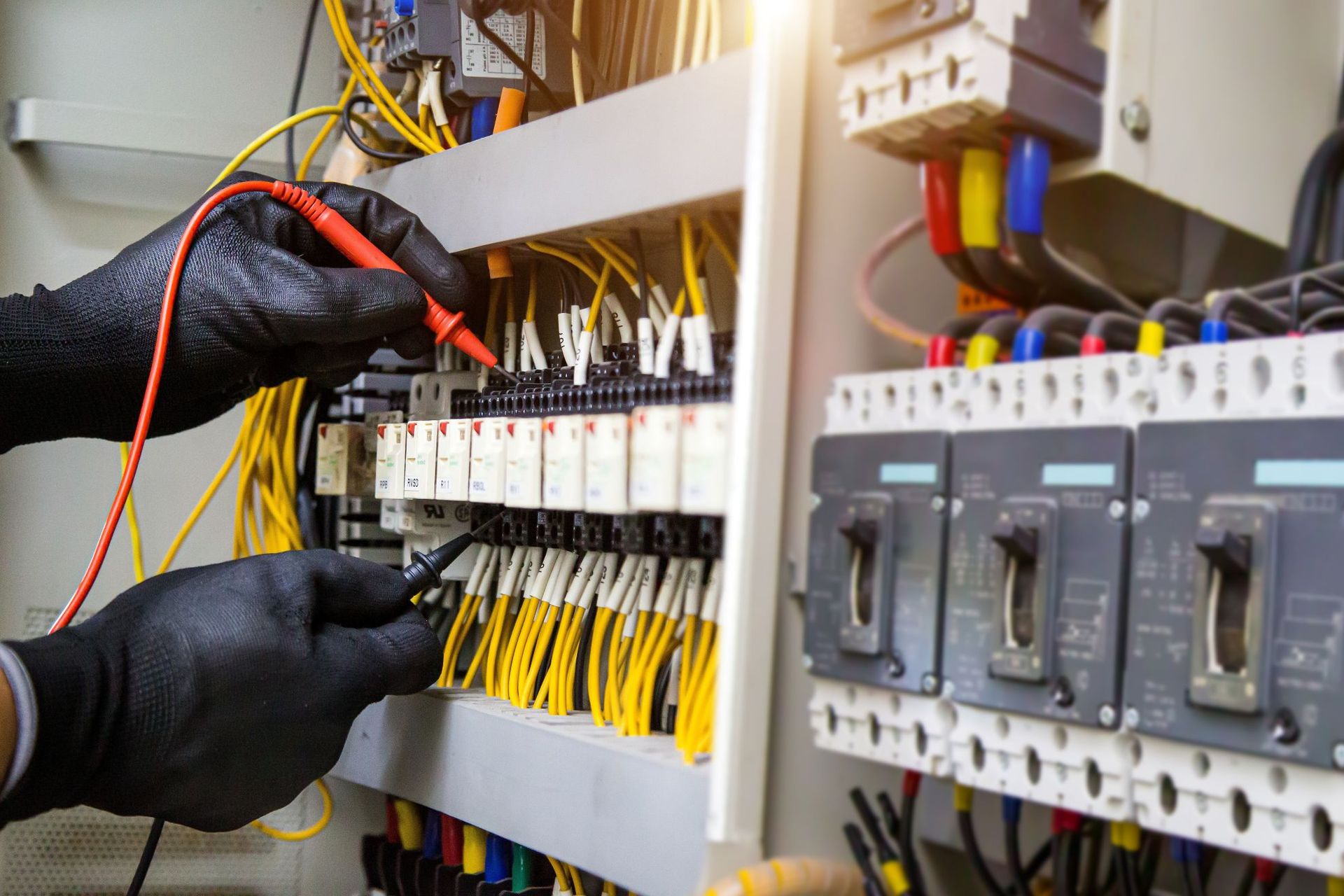
Answers to Frequent Subpanel Questions
Subpanel installations involve planning for both immediate needs and future electrical expansion, and homeowners typically want clarity on sizing and placement decisions.
What size subpanel makes sense for a detached garage?
Most garage subpanels range from 60 to 100 amps, depending on whether you're running basic lighting and outlets or powering heavy equipment like welders, compressors, or vehicle lifts. The calculation includes all anticipated loads plus some margin for future additions.
How far can a subpanel be located from the main panel?
Distance affects voltage drop and conductor sizing. Longer feeder runs require larger wire gauges to maintain proper voltage at the subpanel. Installations in Greeley often involve runs to garages or shops 50 to 150 feet from the main panel, which requires careful wire sizing to prevent performance issues.
Can a subpanel feed another subpanel?
Code permits subpanels to feed additional downstream panels, though each level adds complexity to load calculations and requires careful attention to grounding and bonding. Most residential installations use one subpanel per area to keep the system straightforward.
Why do some subpanels need separate ground rods?
When a subpanel is installed in a detached structure, it typically requires its own grounding electrode system in addition to the grounding conductor from the main panel. This provides a low-resistance path to earth that improves safety during fault conditions.
What happens if the main panel can't support a subpanel?
If the main panel is already operating near capacity, adding a subpanel may require upgrading the main panel first to ensure adequate feeder capacity. Load calculations determine whether the existing service can safely handle the additional demand.
The Spicy Sparky Electrical Services installs subpanels according to code and safety requirements, delivering systems that prepare your property for growing power needs. Reach out to discuss subpanel options that fit your garage, workshop, or addition plans.