
Wiring Systems That Support Modern Use
Whole-Home Rewiring in Greeley for properties with aging electrical infrastructure, safety concerns, and major renovations
Outdated wiring deteriorates over decades, creating fire hazards, unreliable power delivery, and inadequate capacity for modern appliances and technology. Homes built with aluminum wiring, knob-and-tube systems, or undersized conductors face increased risk of electrical failures that manifest as frequent outages, flickering lights, or breakers that trip without clear cause. Rewiring replaces compromised electrical infrastructure with modern systems designed for long-term performance and safety, and The Spicy Sparky Electrical Services evaluates each property's unique layout before recommending solutions tailored to how you use your home in Greeley.
The rewiring process involves running new circuits throughout the home, replacing outdated conductors with properly sized copper wiring, and installing updated outlets, switches, and junction boxes that meet current code. This work often coincides with remodels or renovations when walls are already open, reducing the need for extensive patching. Each circuit is tested for correct grounding, proper load distribution, and secure connections at every termination point.
Request a property assessment to identify wiring deficiencies and discuss a rewiring plan that aligns with your renovation timeline or safety priorities.
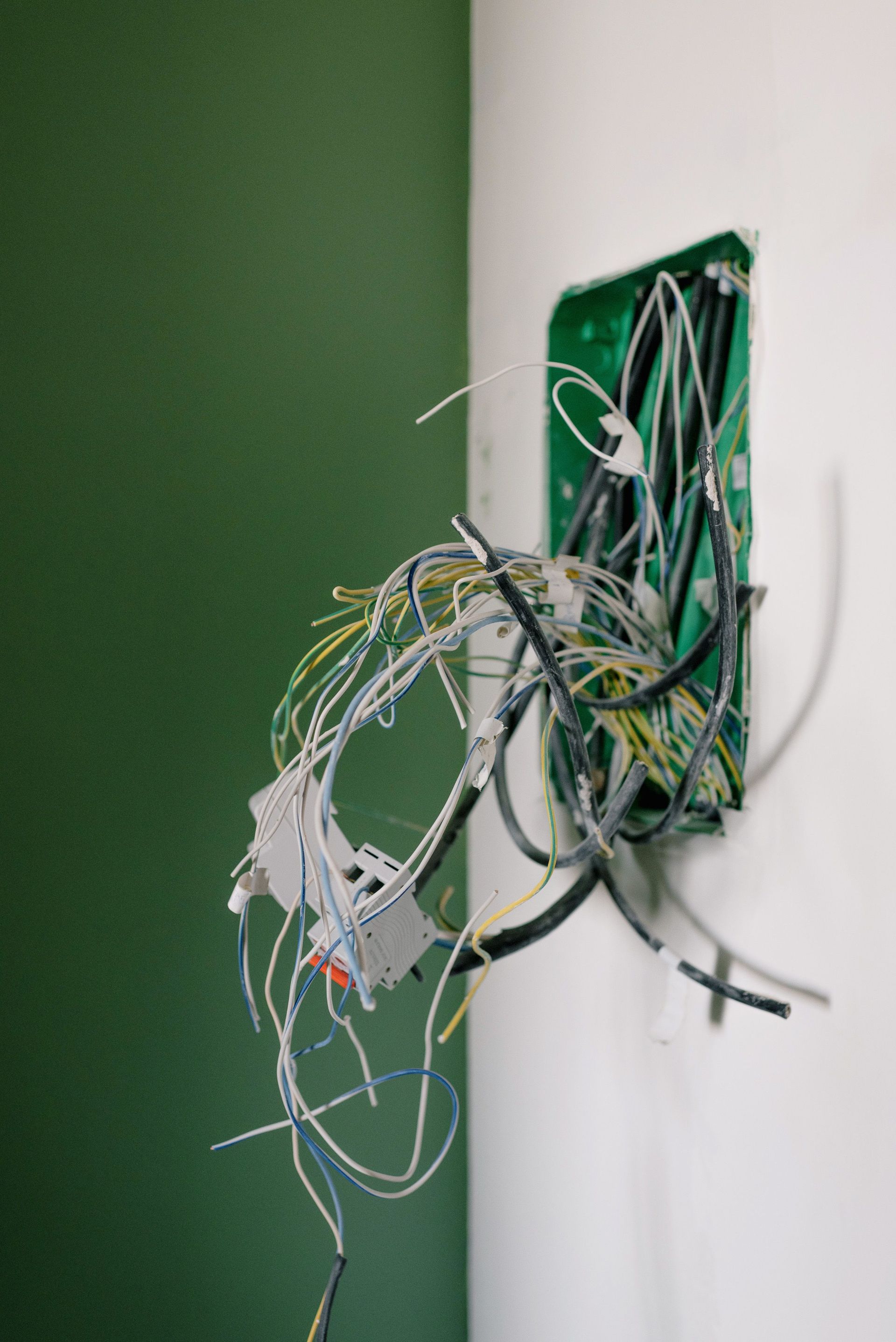
How Updated Wiring Changes Daily Reliability
Whole-home rewiring begins with evaluating the existing electrical layout, identifying circuits that no longer meet capacity requirements, and planning new runs that support modern electrical loads. Conductors are routed through studs and joists with proper stapling intervals, junction boxes are installed at accessible locations, and all connections are made with appropriate wire nuts or terminal blocks. The work includes verifying that the new system integrates correctly with the panel and service entrance.
After rewiring, outlets deliver consistent voltage without the sags or interruptions caused by deteriorated connections, circuits handle multiple devices without overheating, and the entire system operates without the unpredictable failures common in aging infrastructure. You'll notice that appliances run more efficiently, lights maintain steady brightness, and there's no lingering concern about hidden wiring failures inside walls.
Rewiring also supports future upgrades such as smart home systems, additional circuits for home offices, or high-demand equipment like tankless water heaters and electric dryers. The infrastructure is designed with expansion in mind, so adding capacity later doesn't require reworking the entire system.

Common Questions About Rewiring Projects
Rewiring involves significant work, and property owners typically want to understand the scope, disruption, and outcomes before moving forward.
What are the signs that a home needs rewiring?
Frequent breaker trips, discolored outlets, a burning smell near electrical fixtures, or visible damage to wire insulation all indicate wiring problems. Homes built before 1970 often contain outdated materials that no longer meet safety standards or capacity needs.
How is rewiring completed without tearing apart finished walls?
When walls are already open during remodeling, running new wiring is straightforward. In finished spaces, electricians use techniques such as fishing wires through existing pathways, accessing circuits from attics or crawlspaces, and minimizing drywall removal by working through strategic access points.
Can you rewire one section of the home at a time?
Partial rewiring is possible and often makes sense when prioritizing high-risk areas such as kitchens, bathrooms, or rooms with known wiring issues. Phased projects allow you to spread cost over time while addressing the most critical safety concerns first.
Why does copper wiring perform better than aluminum?
Copper conducts electricity more efficiently with lower resistance, doesn't oxidize as readily at connection points, and maintains secure terminations over decades. Aluminum wiring, common in homes built during copper shortages, requires special connectors and regular inspection to prevent loosening that leads to arcing.
How does Greeley's dry climate affect older wiring?
Low humidity reduces insulation flexibility over time, causing brittle wire coatings that crack and expose conductors. This degradation accelerates in attics and crawlspaces where temperature swings are more extreme, making inspection and replacement critical in aging homes.
The Spicy Sparky Electrical Services delivers customized rewiring systems built for long-term functionality and safety. Schedule a consultation to evaluate your home's electrical infrastructure and discuss a rewiring approach that fits your project timeline.